This Is Not for Everyone (and That’s Okay)
I’m not AI-generated.
My hair is gray and curly. My eyes need correction, and my wrinkles are becoming more prominent. I know who I am, what I need to do most days, and—just as importantly—what I don’t know yet.
I try not to imply expertise where I don’t have it. I speak in the same voice whether I’m talking with writers, clients, friends, or strangers on the internet. The tone is consistent because it’s mine.
I am, however, a quick learner.
Maybe that’s where the confusion comes in.
Maybe that’s our similarity.
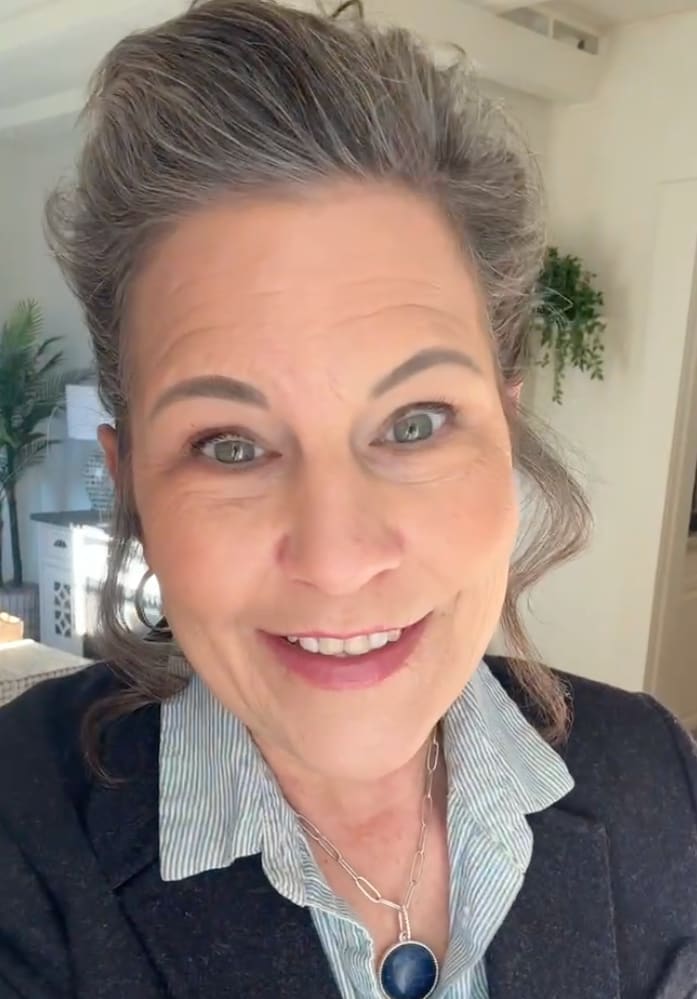
The clearly non-AI me.
Recently, my curiosity about using AI as a research assistant—nothing more, nothing less—became the source of criticism.
The question behind it was genuine: How can we use this tool to handle some of the research work more efficiently, so our attention stays where it belongs—on the writing?
I didn’t expect the criticism—but maybe I should have.
What began as that honest question was quickly reframed as something else entirely. I was criticized for wanting to teach writers how to use AI. Criticized for using it myself. Even criticized for the broader climate implications of AI, as if exploring a tool made me personally responsible for the entire system behind it.
The questions themselves weren’t the problem. Those conversations matter.
What caught me off guard was how fast curiosity turned into certainty.
The tone wasn’t tell me more.
It was you’re wrong.
That’s when it became clear: these are not my people.
My people are curious. They pause before judging. They ask questions before drawing conclusions. They’re open to conversation, nuance, and the possibility that two things can be true at the same time. They don’t assume intent—they want to understand it.
In an unexpected way, I almost took the criticism as a compliment. Someone assumed I was an AI-generated person based on my picture and writing. If my work reads as clear, cohesive, and thoughtful enough to spark that assumption, I’ll take it.
My interest in AI didn’t come from a desire to replace creativity or outsource thinking. It came the way most meaningful shifts do—through conversation and exploration—and my pursuit of How Can This Be Easy?
As I discovered different tasks it could perform, it lit up a different part of my brain.
The real turning point came when a writer asked me a practical question: How do I find comp titles?
As I walked her through my process—what to look for, where to search, how to evaluate—I realized AI could help with the filtering. The organizing. The first pass. And we would still do the vetting, verifying, and contextualizing.
That’s when the possibilities opened up.
I don’t believe AI is the be-all, end-all. I never have. But I do believe it’s here, and pretending otherwise feels a bit like insisting on writing everything by hand when typing exists. Pen and paper are beautiful. Libraries and encyclopedias matter. But efficiency with the small things creates more room for depth where it counts.
For me, AI is just another tool. It also requires discernment, skepticism, and responsibility. I love it for brainstorming. It’s like having a thoughtful friend available 24/7. It helps me refine my thinking and then explore different perspectives with humans.
That’s the key: it helps me spark new thoughts and threads.
It does not replace me.
Some tasks will change. Some roles will evolve. But human connection, judgment, lived experience, and context? Those still belong to us.
And if that makes some people uncomfortable, that’s okay.
Originally posted on my Substack.