Prepared in the wrong ways
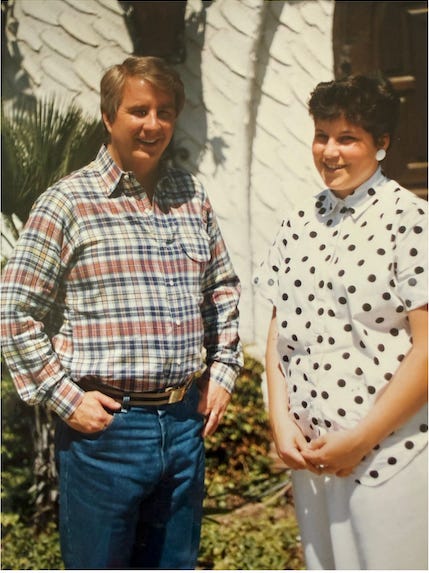
Freshman year, 1985. San Marcos High School newspaper.
That’s me in the polka dots, interviewing President Reagan’s press secretary, Larry Speakes. I was terrified. It was the nicest outfit I could pull together at the moment, and maybe it matched exactly how unprepared I felt. Fourteen years old, holding a tape recorder and a notebook, trying to look like I belonged in that room.
I was prepared. I had my questions. I’d done the research. I knew what a good interview looked like because I’d read enough of them. I just didn’t have batteries in my recorder.
Got home and panicked. But I had my handwritten notes, muscle memory from the interview, and the rhythm of the conversation. So I wrote the story anyway.
That 14-year-old in the polka dots didn’t feel ready. But she showed up anyway, and when the equipment failed, she used what she had.
Prepared for the Work, Not the Weight
Fast forward to writing my book. I was prepared. I knew how to write. I’d done enough therapy, writing, editing, and craft work to feel confident on the page. I was prepared in all the technical ways.
But I hadn’t given any thought to what writing the truth would actually cost me. For the fear that would bubble up in the middle of retelling a traumatic moment (read the first chapter here). I never considered that relationships might shift when anything less than stellar came out or the weight of deciding how to tell which story. I knew how to write. I just wasn’t prepared for the impacts while writing, and after everyone knew.
What the Story Asked of Me Afterward
One thing I learned the hard way: after a writing session, I needed space before I could show up for anything else. An hour between closing the laptop and seeing my husband, or a doctor’s appointment, or anything that required me to be present. The material was too heavy to carry directly into the rest of my life. I needed that buffer to transition back to the current day.
That wasn’t a weakness. It was just the honest response to releasing a hard story on the page. So I learned that lesson the hard way—by doing it backward.
There’s a particular kind of unprepared. It’s when you’ve done everything except the thing that actually matters. The thing no one tells you about—the emotional readiness and the internal and external alignment about what you’re choosing to reveal.
The Kind of Preparation Memoir Actually Requires
That’s the kind of unprepared that costs you the most, and that’s why I’m helping women think about these things before they write a single word and while they’re in the middle of it.
P.S. What would it feel like to do the emotional work first?
This originally appeared on my Substack.
If you enjoyed this, you may also enjoy Don’t outsource the wrong thing.
You may also enjoy my Substack on writing: Dear Kate: notes for women with a story to tell.